Architecture has always evolved alongside the technology of its time. Every major technical advancement has generated both excitement and skepticism. Today, Artificial Intelligence stands at the center of that conversation: a tool capable of producing images, analyzing variables, and generating alternatives with unprecedented speed. But beyond the headlines, a more meaningful question arises: does it truly transform the way architecture is conceived?
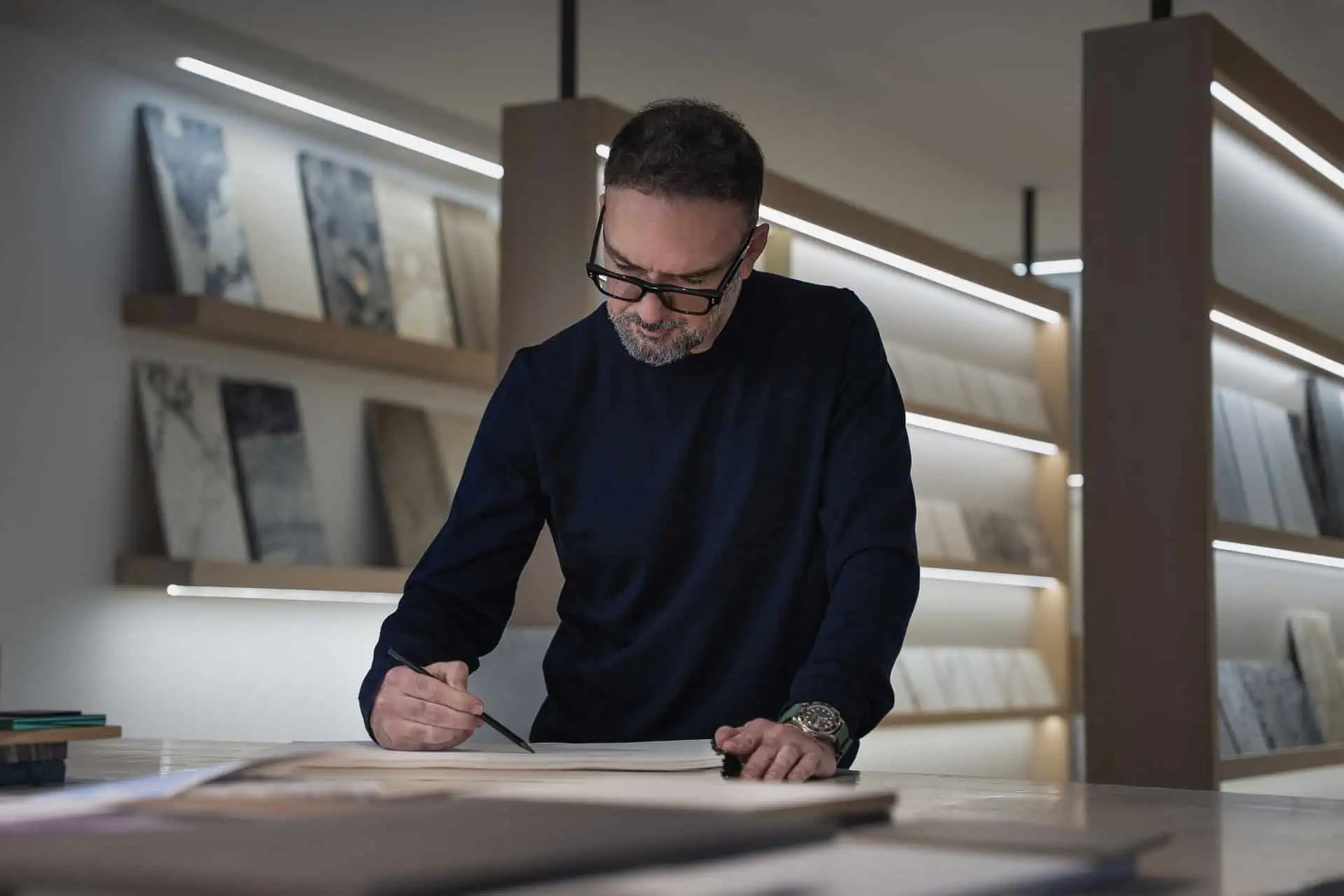
For Manuel Ruiz Moriche, Creative Director and Co-Founder of ARK Architects the key lies in distinguishing between method and tool.
The Origin of a Project Remains Human
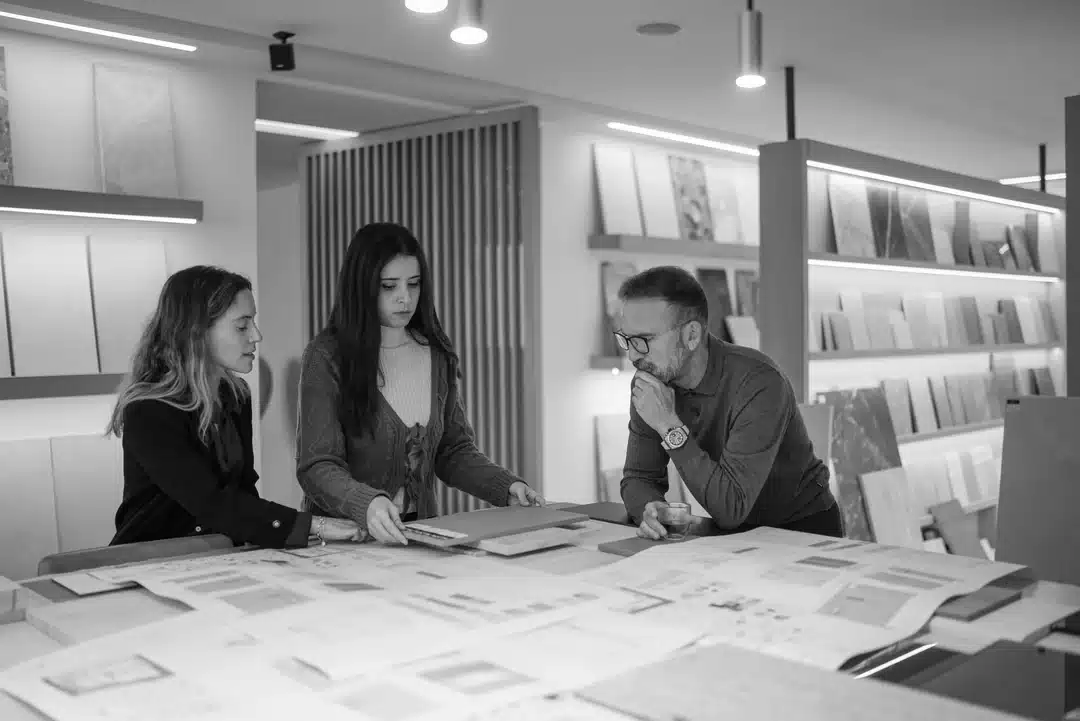
The essence of the architectural process does not change. It still begins with a deep reading of the place: its topography, climate, cultural context, and urban framework. It continues with a careful understanding of the client’s needs and, above all, of the human experience within the space.
This initial phase blends intuition, experience, and rational analysis. The first sketches do not emerge from a random collection of striking images, but from a thoughtful response to a complex set of conditions that must be resolved coherently and sensitively.
As Manuel Ruiz explains, this foundational moment belongs to the architect’s mind. It is where variables are synthesized, constraints are interpreted, and a conceptual direction is defined. No matter how sophisticated, AI does not replace that interpretative capacity.
A Catalyst for Possibilities
Artificial Intelligence becomes truly powerful once that initial reflection has taken shape. Integrated into the creative workflow, it acts as a catalyst—accelerating and multiplying formal and visual possibilities.
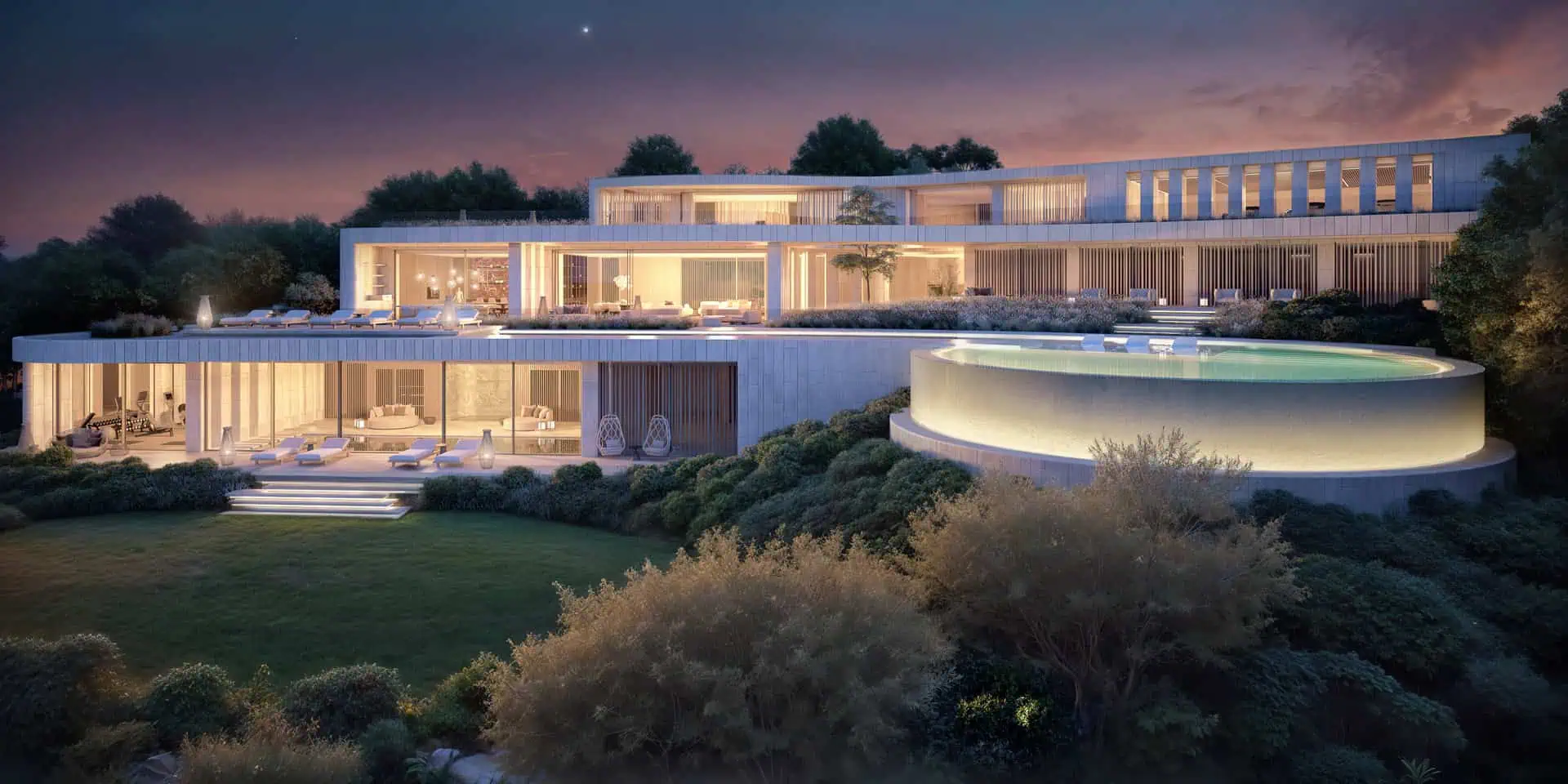
It enables rapid exploration of different atmospheres, spatial approaches, and aesthetic directions. It opens visual territories that previously required far more time to investigate, or that remained beyond immediate reach. In specific tasks related to image generation and variation, AI can even outperform human speed and efficiency.
However, efficiency is not the same as judgment. AI can expand the field of exploration, but it does not determine which proposal genuinely responds to the place, the program, and the human experience of inhabiting space.
Integrating, Not Replacing
The integration of AI does not represent a rupture in architectural methodology. Instead, it reflects an evolution in the set of tools available to architects. The deep creative process—the one that interprets, filters, and ultimately decides—remains intact. Technology enters afterward, enhancing and expanding an idea that has already been conceptually structured.
From Manuel Ruiz’s perspective, understanding AI as an instrument rather than an origin point is essential. It does not redefine architecture, but it does amplify the architect’s ability to generate worlds, visualize alternatives, and accelerate processes that were once more time-consuming.
Greater Reach, Same Essence
Architecture in the age of Artificial Intelligence may become more agile and more exploratory. Yet it will continue to begin in the same place: with a sensitive reading of context and a profound understanding of human needs.
AI opens doors. The direction of the journey, however, still depends on the architect. And within that balance between intuition and technology lies the real opportunity—to expand creativity without altering the essence of architectural thought.
Artificial Intelligence Tools in Architecture
In this context, more and more studios are incorporating Artificial Intelligence tools in architecture as a strategic support to the creative and technical process. Platforms such as ChatGPT and Gemini assist with conceptual development, research, and the drafting of design narratives, while image-generation systems like Midjourney and DALL·E enable rapid exploration of atmospheres, materials, and formal languages. At the same time, generative design solutions integrated into BIM environments enhance structural optimization, energy efficiency analysis, and spatial distribution. AI for architects does not replace architectural thinking; rather, it has become a key resource for streamlining workflows, improving decision-making, and fostering innovation in contemporary architectural design.